
Searching for the best facial plastic surgeon middle east is often the beginning of an important medical decision. Patients may be comparing surgeons in Egypt, Dubai, the Gulf, and the United Kingdom, but location alone does not determine whether a surgeon is right for a particular face or procedure.
There is no official international ranking that names one doctor as the best. A safer way to choose is to assess specialist training, experience in facial anatomy, the quality and consistency of results, patient selection, safety standards, and the surgeon’s ability to recommend a plan that preserves identity rather than following a fashionable template.
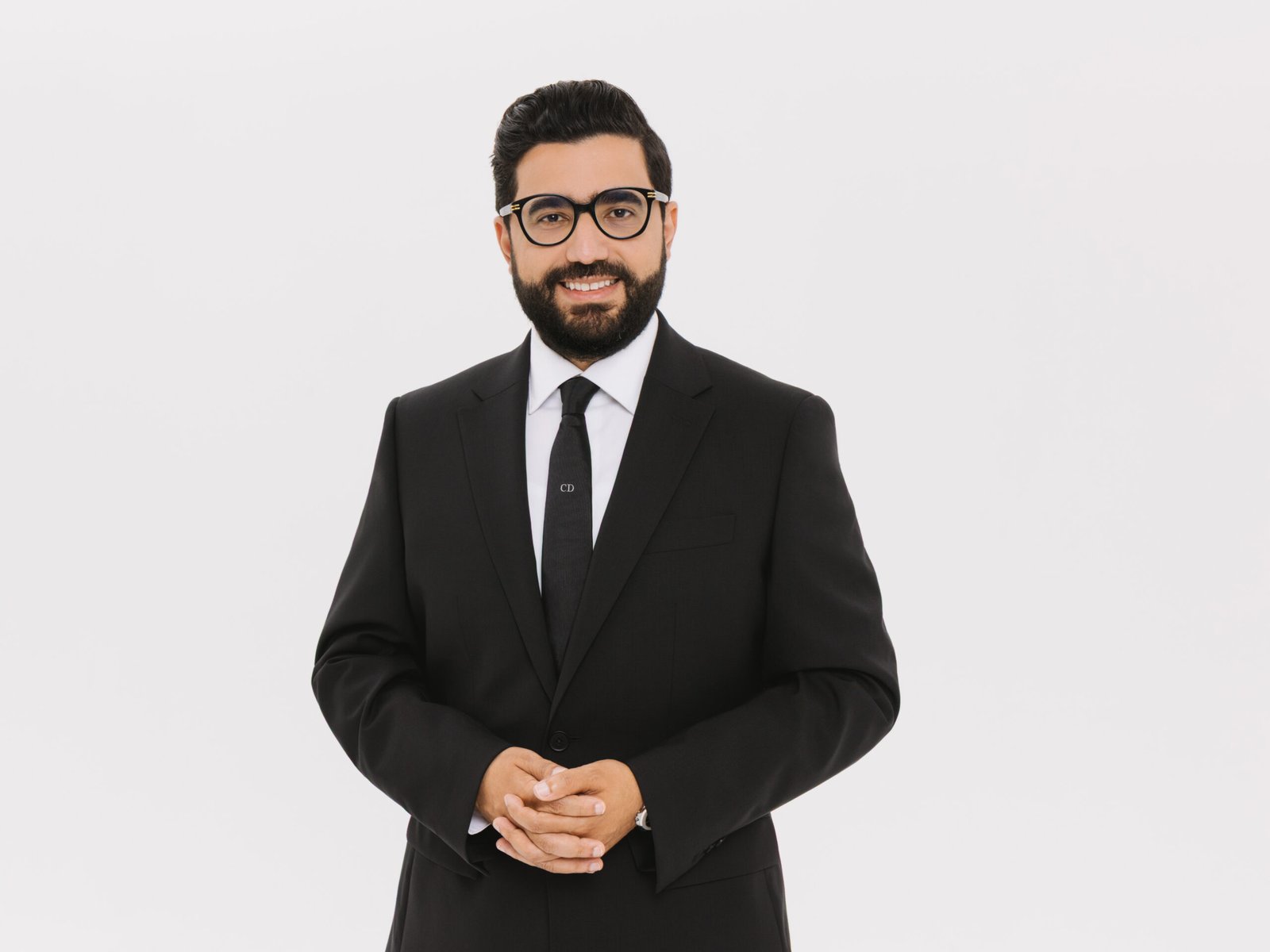
Dr. Samir Ghoraba is a consultant plastic and reconstructive surgeon whose practice focuses on advanced facial surgery. His clinical philosophy combines detailed assessment, personalised planning, refined scar placement, and natural-looking change. He works with patients from the Middle East and abroad and provides care through clinics and consultations in Cairo, Dubai, and London.
What Does “Best Facial Plastic Surgeon” Really Mean?
The word “best” should not be treated as a marketing label. Facial surgery is highly individual, and the right surgeon for one patient may not be the right surgeon for another. The decision should be based on evidence that the surgeon can diagnose the concern accurately, explain appropriate options, manage risk, and deliver results that suit the patient’s anatomy.
A strong facial surgeon should demonstrate:
- Recognised medical and surgical qualifications.
- A practice with substantial experience in facial procedures.
- A detailed understanding of the skin, fat compartments, muscles, ligaments, cartilage, and facial skeleton.
- Consistent before-and-after results across patients with different ages and facial structures.
- Clear communication about limitations, recovery, scars, and potential complications.
- Proper operating facilities, anaesthesia support, and structured follow-up.
The aim is not to find the loudest claim. It is to identify a surgeon whose training, judgement, technique, and care pathway fit the procedure being considered.

Why Facial Specialisation Matters
The face is anatomically complex and central to personal identity. Small changes in the eyelids, nose, cheeks, lips, jawline, or neck can affect how the whole face is perceived. A surgeon who regularly performs facial procedures can plan these relationships as one composition rather than treating each area in isolation.
Specialisation is particularly important for operations such as deep plane facelift, revision facelift, rhinoplasty, eyelid surgery, facial fat transfer, lip lift, and deep neck sculpting. These procedures require careful control of tissue layers and an understanding of how surgery may affect movement, expression, function, and scars.
Dr. Samir Ghoraba’s Facial Surgery Experience
Dr. Samir Ghoraba holds advanced academic and surgical qualifications and serves as an Associate Professor of Plastic Surgery. His training and professional experience have included institutions and educational activity in Egypt, the United Kingdom, Taiwan, the United States, Italy, Turkey, the United Arab Emirates, and other countries.
His work is centred on aesthetic and reconstructive facial surgery. He is known for treating the face as an integrated structure and for pursuing results that are noticeable in their improvement but difficult to identify as surgery.
His principal areas of practice include:
- Deep plane facelift and revision facial rejuvenation.
- Deep neck sculpture and jawline definition.
- Upper and lower eyelid surgery.
- Rhinoplasty and facial balance.
- Endoscopic facial procedures.
- Perioral rejuvenation and deep lip lift.
- Facial fat transfer and volume restoration.
The most appropriate combination depends on the patient. A facelift does not automatically correct every concern, and additional procedures should only be considered when they provide a clear anatomical benefit.
Anatomy-Led, Personalised Planning
No two patients age in exactly the same way. One person may have descent of the mid-face and jowls, while another has greater neck laxity, volume loss, eyelid changes, or skin damage. Applying the same operation to both can create an unbalanced result.
Dr. Ghoraba begins with a structured facial assessment. This includes skin quality, skeletal proportions, soft-tissue position, previous surgery, scars, medical history, and the patient’s priorities. The purpose is to distinguish concerns that surgery can improve from those that may require a different treatment or should not be treated at all.
The plan may involve one procedure or a carefully selected combination. The consultation should also establish realistic expectations: facial surgery can restore balance and reduce visible ageing, but it cannot stop future ageing or guarantee perfect symmetry.
Key Facial Procedures and Options
Deep Plane Facelift
A deep plane facelift repositions deeper facial tissues rather than relying mainly on tension in the skin. It may improve the cheeks, jowls, jawline, and transition into the neck while preserving natural facial movement. Patients considering this technique can read the detailed deep plane facelift guide and learn what distinguishes an experienced deep plane facelift surgeon.
Facelift and Neck Contouring
For patients with lower-face and neck ageing, facelift surgery may be combined with neck treatment when clinically appropriate. The exact approach depends on skin laxity, muscle position, fat distribution, and jawline anatomy. Some patients need a comprehensive face and neck lift, while others may benefit from a more limited plan.
Eyelid Rejuvenation
Upper or lower eyelid surgery may address excess skin, prominent fat pockets, or a persistently tired appearance. The surgeon must preserve eyelid function and avoid removing excessive tissue. Incision placement and conservative planning are central to a natural result.
Rhinoplasty and Facial Balance
Rhinoplasty should account for breathing as well as appearance. The nose needs to be assessed in relation to the forehead, lips, chin, and jaw. The objective is usually proportion and harmony, not reproducing the same nose on every patient.
Facial Volume and Contour
Facial fat transfer may restore volume in selected areas, while chin, cheek, jawline, or neck procedures can improve structural balance. These treatments require restraint because excessive volume or overly sharp contours may look less natural over time.
Who May Be a Suitable Candidate?
Suitability depends on the procedure, health status, anatomy, and goals. A good candidate is generally medically fit, has a concern that can reasonably be improved, understands the recovery process, and has realistic expectations.
Surgery may need to be postponed or reconsidered when there is uncontrolled illness, active infection, significant problems with wound healing, nicotine use that has not been stopped as instructed, or expectations that surgery cannot meet. Previous facial procedures, fillers, threads, and permanent injectable materials should be disclosed because they may influence surgical planning.
The Consultation: Questions Worth Asking
An effective consultation is a two-way discussion. Patients should feel able to ask direct questions and receive specific answers rather than broad promises.
Useful questions include:
- What qualifications and facial surgery experience do you have?
- How often do you perform this specific procedure?
- Which technique do you recommend for my anatomy, and why?
- Where will the incisions and scars be placed?
- What are the realistic benefits and limitations?
- What complications can occur, and how are they managed?
- What type of anaesthesia and facility will be used?
- How long should I remain locally for follow-up?
- Can I review before-and-after examples relevant to my concern?
- Who should I contact if I have a concern during recovery?
Patients should not feel pressured to decide immediately. Time to review the plan, fees, recovery requirements, and consent information is part of responsible care.
Safety, Risks, and Recovery
All surgery carries risk. Depending on the operation, potential complications may include bleeding, infection, delayed healing, visible or widened scars, fluid collection, temporary or persistent numbness, asymmetry, contour irregularity, nerve injury, anaesthesia complications, or the need for revision.
Risk cannot be removed completely, but it can be reduced through appropriate patient selection, preoperative testing, careful technique, accredited facilities, and attentive follow-up. Patients also play an important role by following instructions about medicines, nicotine, wound care, activity, and scheduled reviews.
Recovery varies substantially. Eyelid or limited procedures may have a shorter social recovery than a combined facelift and neck operation. Swelling and bruising often improve before tissues have fully settled, so early appearance should not be mistaken for the final result.
Planning Surgery From Outside the Middle East
International patients need more than an operation date. They need a plan for remote assessment, medical tests, travel, accommodation, a responsible adult after surgery, in-person review, and follow-up after returning home.
Dr. Ghoraba’s international patient pathway may begin with a virtual consultation and review of photographs and medical history. Final suitability and the operative plan are confirmed in person. Patients should allow sufficient time in the treatment city and should avoid booking a return journey too soon after surgery.
The international patients service explains the practical pathway in more detail. The patient services team can also help coordinate an appropriate consultation and clarify the documents required before travel.
Why Patients Consider Dr. Samir Ghoraba
Patients comparing a leading facial surgery expert in the region may consider Dr. Ghoraba because his work combines facial specialisation, academic involvement, international surgical education, and a patient-specific approach.
As the founder of CairoFACE, he established an educational platform focused on evidence-based and anatomically precise facial surgery. He regularly contributes to professional workshops, lectures, and surgical education. This teaching role does not replace the need for an individual consultation, but it reflects sustained engagement with the development of facial surgical techniques.
His philosophy gives particular attention to balanced rejuvenation, natural expression, and scars designed to be discreet. Patients can review his professional background and before-and-after gallery when deciding whether his approach matches their goals.
How to Compare a Surgeon in Egypt, Dubai, or the UK
Patients sometimes search separately for the best plastic surgeon in Egypt, the best plastic surgeon in Dubai, or the best plastic surgeon in the UK. The same evaluation standards should apply in every location.
Compare the surgeon’s qualifications, professional registration where applicable, procedure-specific experience, facility, anaesthesia arrangements, continuity of care, and relevant results. Confirm where the surgery will take place and which medical team will be responsible before, during, and after the operation.
Price can differ by country and clinic, but it should not be the only deciding factor. A lower quote may exclude anaesthesia, hospital fees, garments, medicines, tests, or follow-up. Ask for a written breakdown and confirm what happens if additional care is required.
Choosing the best facial plastic surgeon in the Middle East is not about accepting a universal title. It is about finding a qualified facial surgeon whose experience, judgement, results, and care pathway are appropriate for the patient’s anatomy and goals.
Dr. Samir Ghoraba offers a face-focused approach built on detailed assessment, personalised surgical planning, advanced techniques, and long-term follow-up. A consultation is the right setting to determine whether surgery is appropriate and which option can provide a safe, proportionate, and natural-looking result.
Frequently Asked Questions
No independent authority publishes a definitive ranking. Patients should compare qualifications, facial procedure experience, safety standards, relevant results, communication, and follow-up rather than relying on a title alone.
Depending on training and scope of practice, procedures may include facelift, neck lift, rhinoplasty, eyelid surgery, brow lift, facial fat transfer, lip lift, facial contouring, and reconstructive facial surgery.
Apply the same standards in both locations: verify qualifications, facility and anaesthesia arrangements, procedure-specific experience, relevant results, total cost, and the plan for postoperative reviews.
 English
 Arabic
 French
 Spanish
 Chinese (Simplified)